Wednesday, January 7, 2009

Tires match mounting

Some of the most common types of work done on performance vehicles involve the wheels and/or tires. The wheels are one of the most visible parts of a vehicle, so any work done on them must be top-notch-meaning clean, pretty and accurate.

Custom wheel service can be broken down into two primary topics, essentially-tire match mounting and custom wheel handling.

Match mounting involves positioning the tire onto the wheel to minimize or eliminate the final combination of radial force variation and/or imbalance. One match mounting approach involves aligning the tire's point of maximum radial force variation (its high spot) to the wheel's radial low spot (where the wheel's radial runout is the lowest). This is called the Uniformity Method. The other approach involves simply aligning the tire's lightest balance point to the wheel's heaviest balance point, called the Weight Method.

OE tire suppliers are required to mark a tire's radial runout high point, and OE wheel makers are required to mark a wheel's radial runout low point. This makes it easy for the OEMs to match-mount tires to wheels from a radial force variation standpoint during production. In some cases, these marks are made with paint dots that help service technicians remount tires down the road. However, sometimes these marks are made using temporary stickers, which either fall off or are removed after mounting. This leaves no readily visible reference marks for the tire technician for future service.

If a tire does feature color dots on the sidewall, one or two dots may be used. A red dot indicates the tire's radial runout high point. A yellow dot indicates the tire's point of least weight, from a balance standpoint.

Friday, January 2, 2009

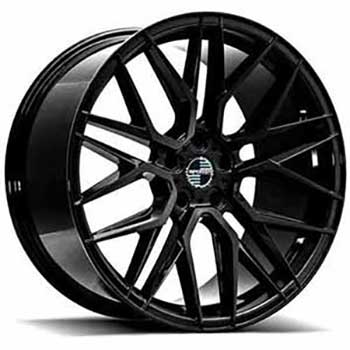
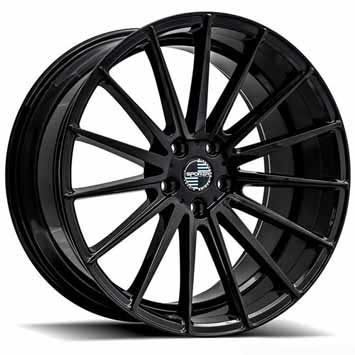
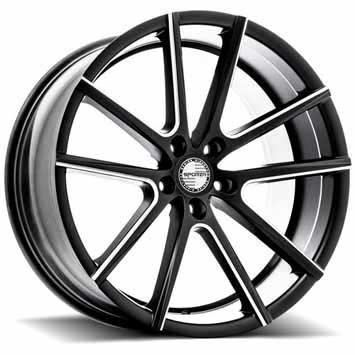
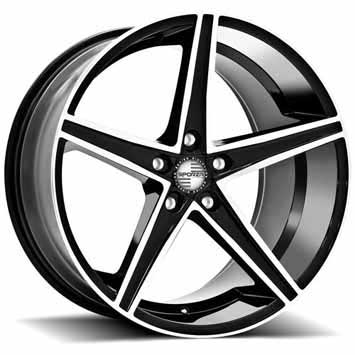
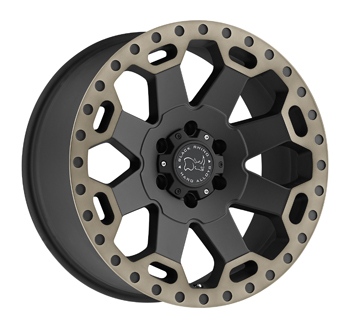
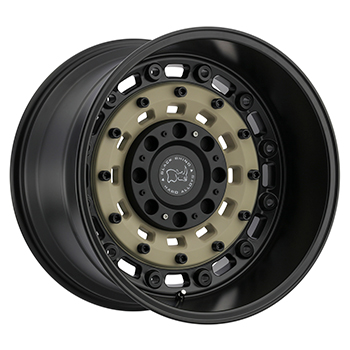
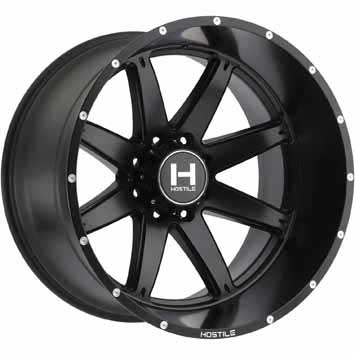
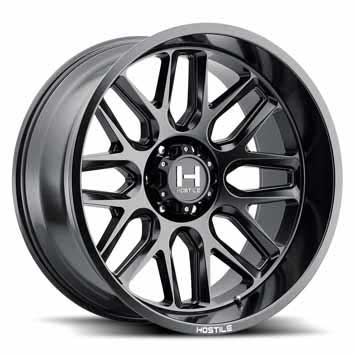
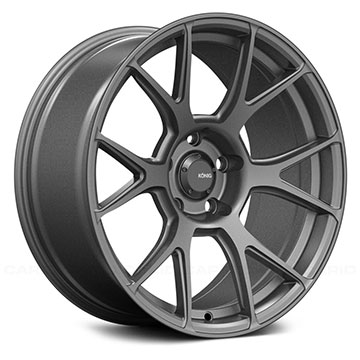
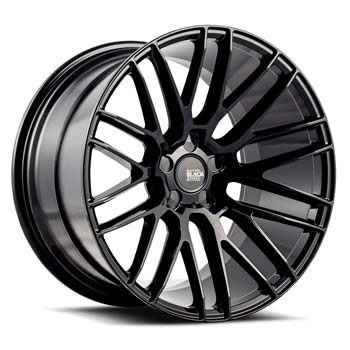
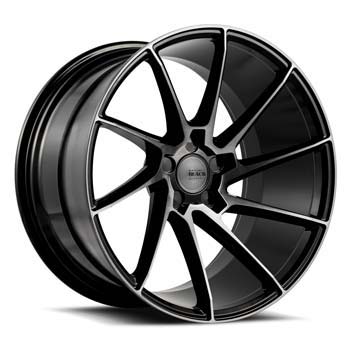
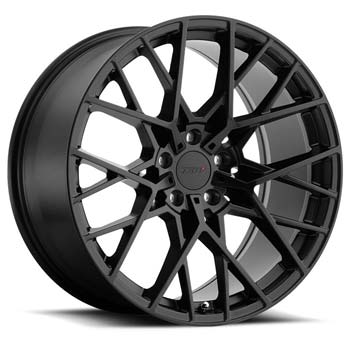
Alloy Wheels

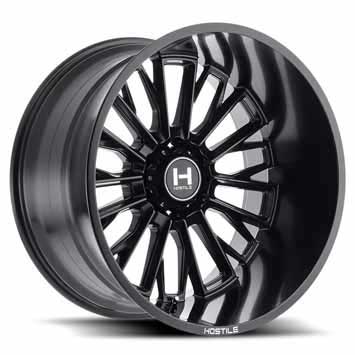
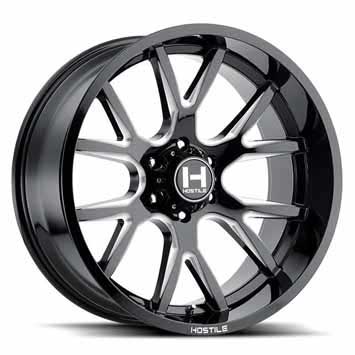
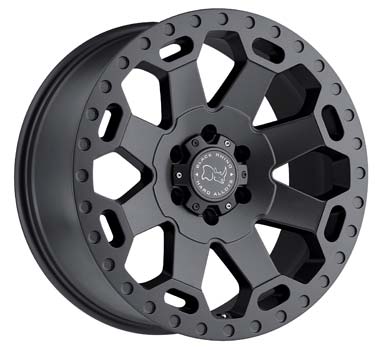
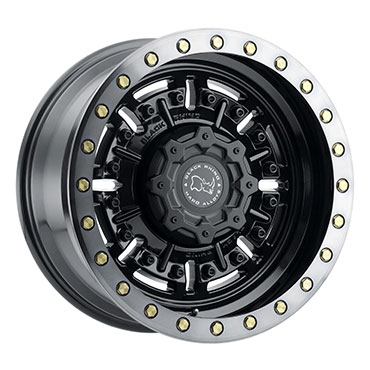
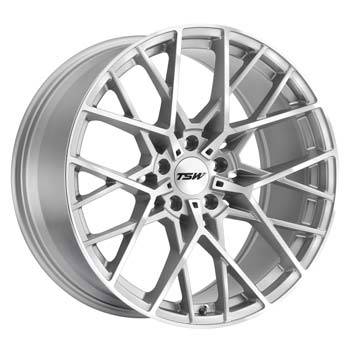
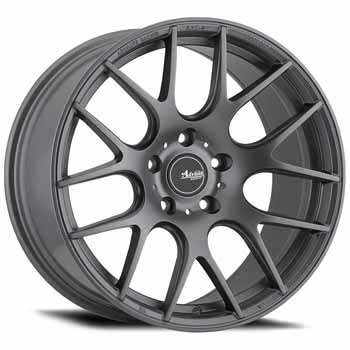
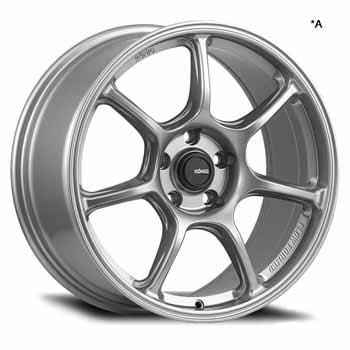
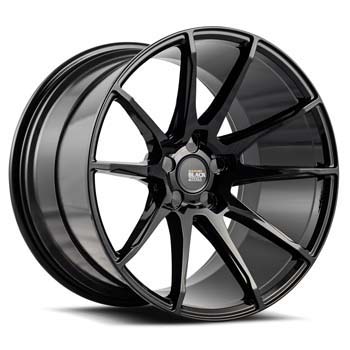
Besides plus sizing, other factors should be considered before shelling out big bucks for wheels. The benefits of a good-quality alloy wheel are numerous. And, of course, many cars come with them as factory original equipment. Either way, you end up with reduced weight compared to steel wheels. This is a factor affecting a vehicle's road holding ability. Unsprung weight is the portion of a vehicle that's not supported by the suspension (i.e. wheels, tires and brakes) and therefore is most susceptible to road shock and cornering forces. By reducing unsprung weight, alloy wheels provide more precise steering input and improved cornering characteristics. The added strength of a quality alloy wheel can also reduce tire deflection in cornering. This is particularly critical in a car equipped with high performance tires where lateral forces may approach 1.0g. Better brake cooling is another benefit. The metals in alloy wheels are excellent conductors of heat and improve heat dissipation from the brakes. The risk of brake fade is also reduced under more demanding conditions such as spirited driving on a twisty mountain road. Additionally, alloy wheels can be designed to allow cool air to flow over the brake calipers and rotors. The lighter rotational weight of alloy wheels can even provide a slight increase in acceleration and fuel economy.