
Tuesday, October 28, 2008

Tires tread life

Tires tread life considerations: What's your idea of how long a set of tires should last? Keep in mind that in some instances, a tire's wear rating is done through manufacturer testing and may not be the most accurate representation of a tire's true life expectancy. One way to get a handle on a tire's projected life expectancy (besides what they're warranted for, say, 40,000 miles for example) is to look at part of the UTQG (Uniform Tire Quality Grading)rating. The U.S. Department of Transportation requires each manufacturer to grade its tires under the UTQG labeling system and establish ratings for tread wear, traction and temperature resistance. These tests are conducted independently by each manufacturer following government guidelines to assign values that represent a comparison between the tested tire and a control tire. While traction and temperature resistance ratings are specific performance levels, the tread wear ratings are assigned by the manufacturers following field testing and are most accurate when comparing tires of the same brand. Tread wear receives a comparative rating based on wear rate of the tire in field testing following a government specified course. For example, a tire grade of 150 wears 50 percent longer than a tire graded 100. Actual performance of the tire can vary significantly depending on conditions, but the tire's UTQG tread life number can help you get in the ballpark as to how long a tire will really last.

Sunday, October 19, 2008

Replacement Tires and Wheels

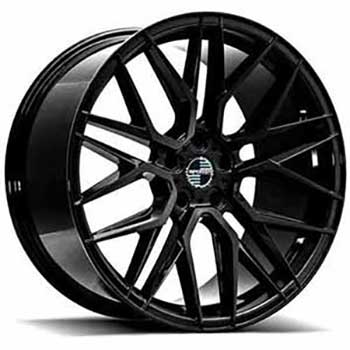
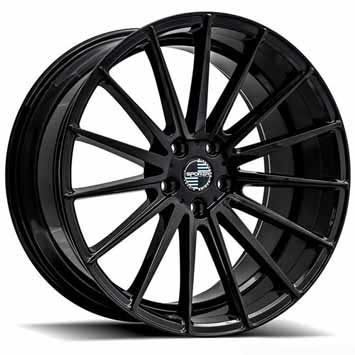
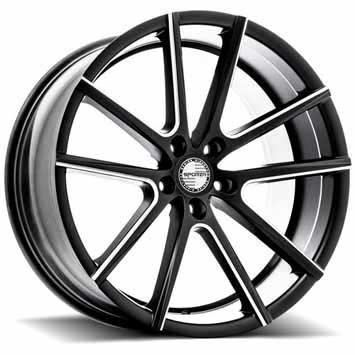
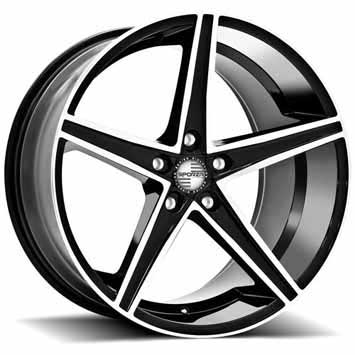
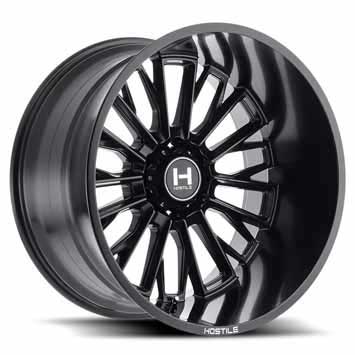
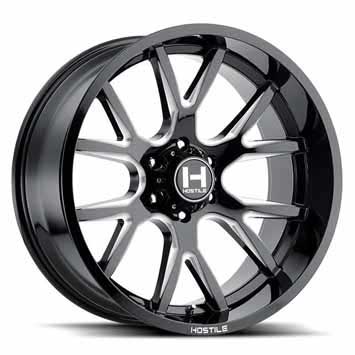
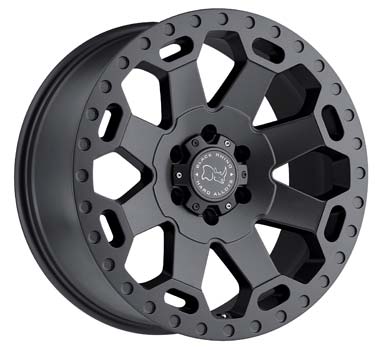
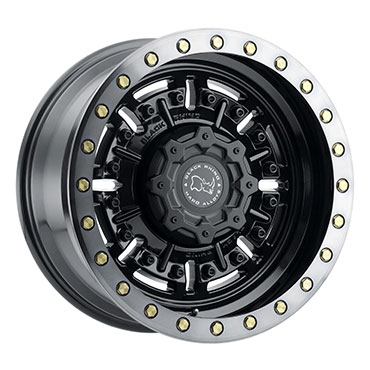
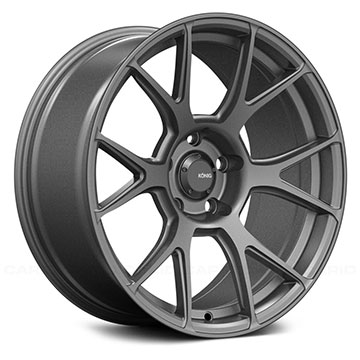
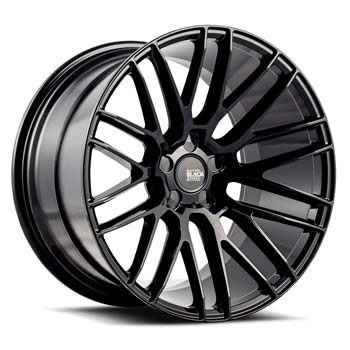
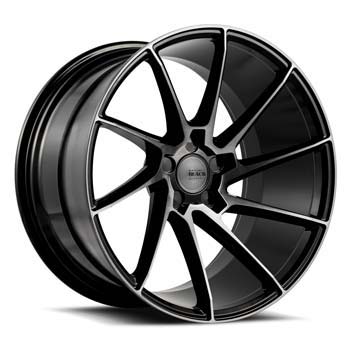
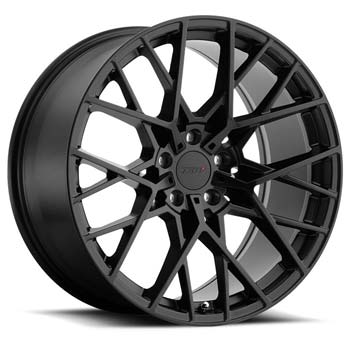
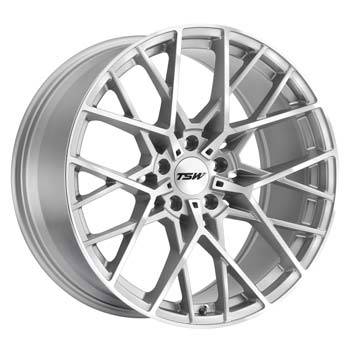
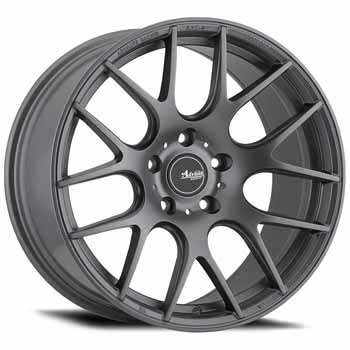
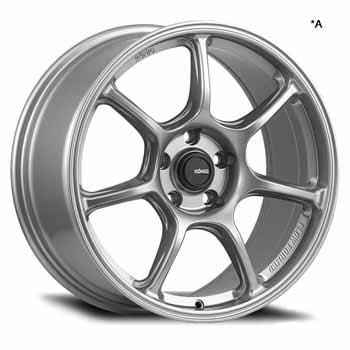
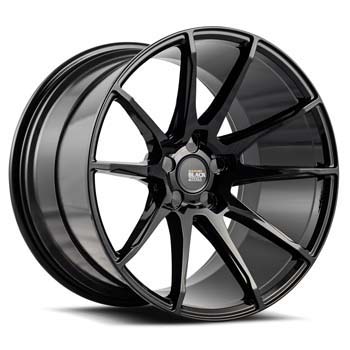
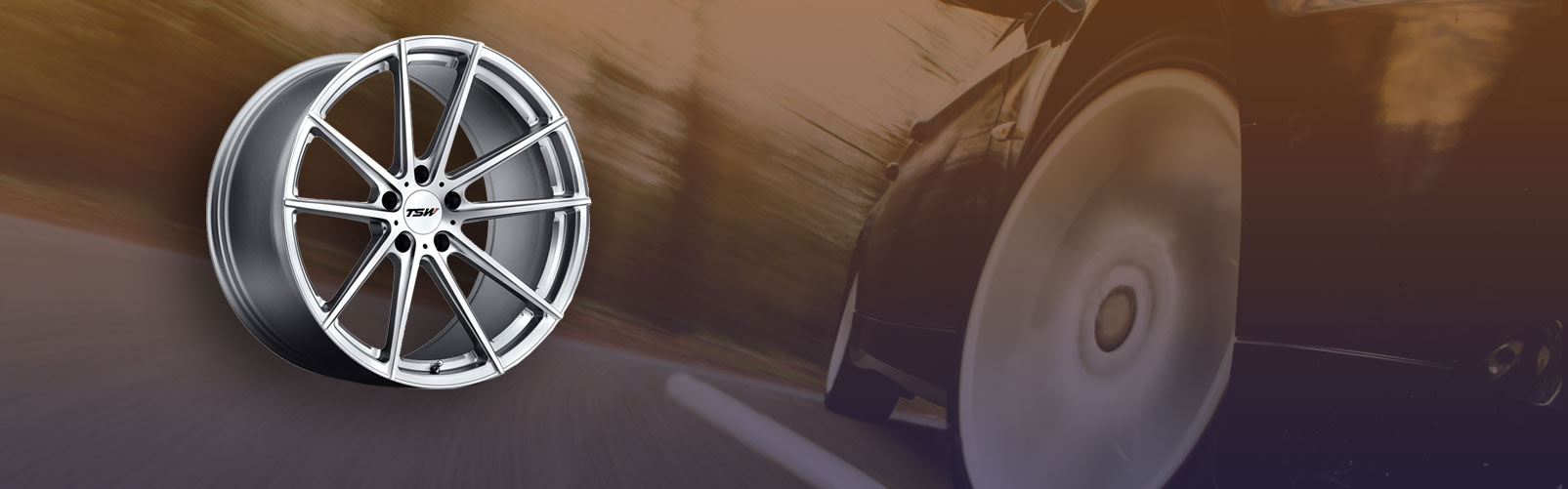
If you've bought a vehicle new and come to the point where you need to replace the tires, there are several ways to go. Of course the easy way is get the exact size and make that came on the vehicle when it was new. Beyond that, you might consider going to a better quality tire or one that improves dry and/or wet handling that's still the same size as the OE tire. The next step would be to switch to a different wheel and the reasons for doing that are numerous. Some people merely want a different look for the wheel while using the same tires that came on the original wheels. While this might be OK if you want to make an appearance change right away, we think it's better to wait until you need new tires anyway, then upgrade to a larger diameter wheel and tire all at once.

Known as the plus sizing concept, this basically means that if you have a 15-inch wheel, plus one would be a 16-inch wheel and plus two would be a 17-inch wheel. But before we get further into wheels, we want to shed some light on what you should know when walking into a tire store to buy tires for your existing wheels. And, of course, this info also applies when you're doing a wheel upgrade, as well.

Choosing the tire that's right for you involves numerous considerations. But to make the process smooth, keep this simple guideline in mind when considering tires. First, know your expected needs and driving uses. This consideration is important to overall driving enjoyment.

Friday, October 17, 2008

How to choose wheels and tires

The tires on a vehicle are the one single link to the road surface. One can have the most powerful engine, the most sophisticated transmission, the most elaborate super-trick suspension, and every other automotive widget known to mankind, but it all ain't worth a tinker's damn if the tires and wheels are sub par. In a way, it's really a bit strange but that's just how the operation of the automobile is.

Luckily, after examining the facts in the above-noted fashion, you can rest assured that tire technology is at an all-time high and it keeps getting better. In fact, it's actually quite amazing that while crummy tires can hurt a great car, great tires can do wonders for a less-than-fantastic car. In other words, there are some instances where tire technology is way beyond many of the cars on the road.

The technology that makes wheels and tires as good as they are is also what can make the subject quite intimidating. Our purpose here is to try and put a finer point on some of the basics of wheels and tires, and how to select them, too. Think of it as a wheel-and-tire primer that will provide you with some ground-floor facts when it comes time to make a replacement tire purchase or a wheel-and-tire upgrade.

Saturday, October 11, 2008

2009 Toyota Venza

Unveiled at the North American International Auto Show, the 2009 Toyota Venza will combine "the styling, comfort, and fun-to-drive performance elements of a five-passenger sedan with the surprising utility of an SUV." The Venza's wheelbase is just a half-inch shorter than that of Toyota Highlander, another crossover that delivers sedan drivability. Overall length—189 inches—exceeds that of the Highlander by a half-inch, and at 75.0 inches, the Venza's width is just 0.2 inch slimmer. The Venza's base engine will be a new 2.7-liter four of unspecified output, sending its power through a six-speed automatic transmission. Also, there was no mention of plans for a hybrid version at launch, although given Toyota's hybrid track record, this seems a likely option in the future.