Monday, February 25, 2008

Wheels and Tires Packages

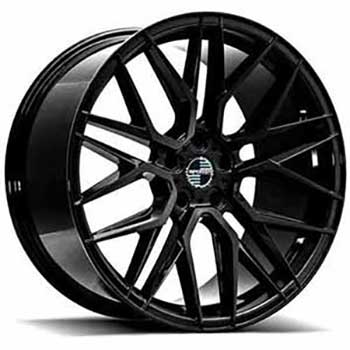
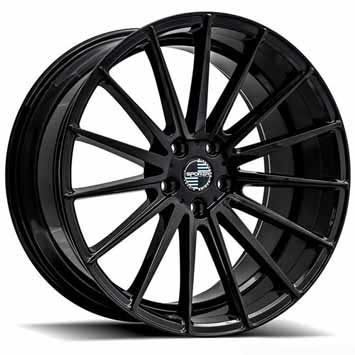
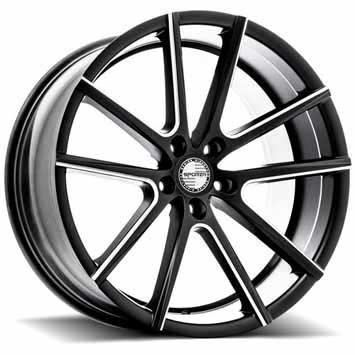
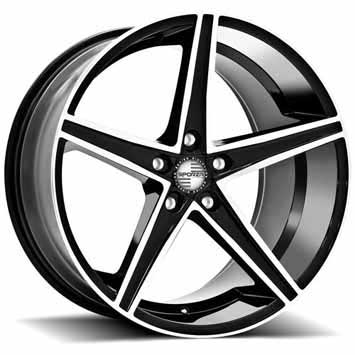
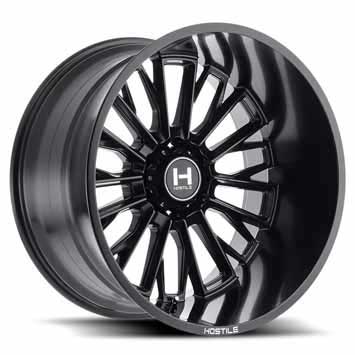
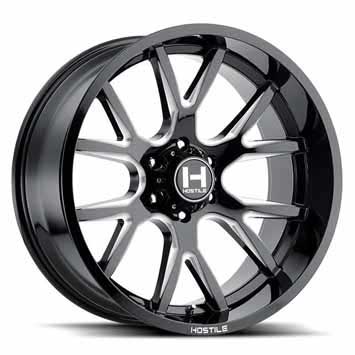
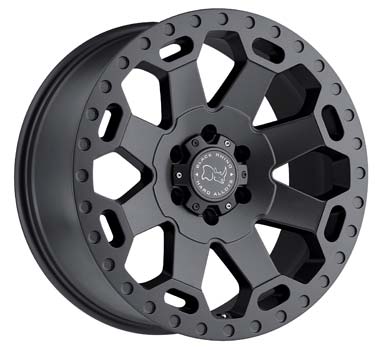
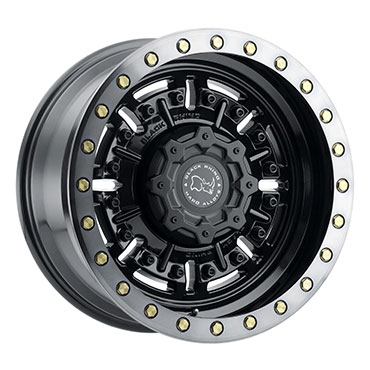
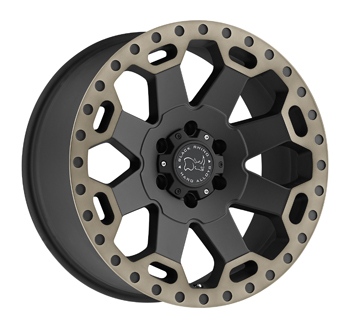
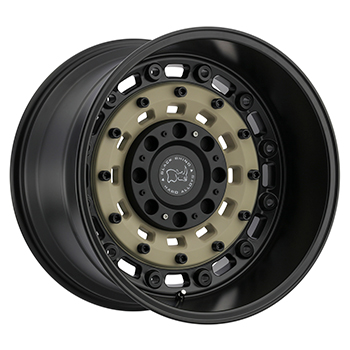
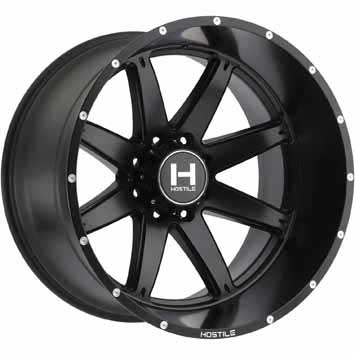
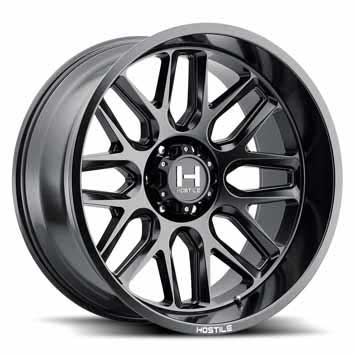
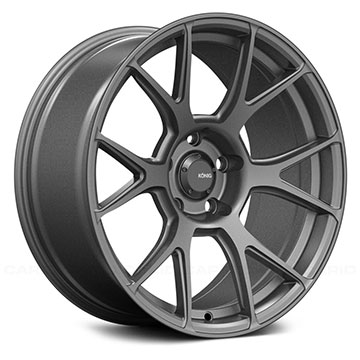
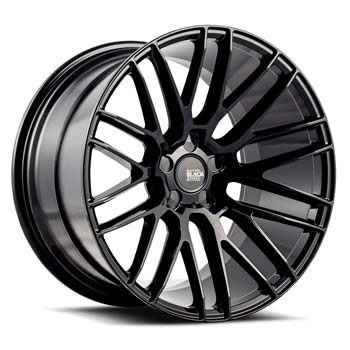
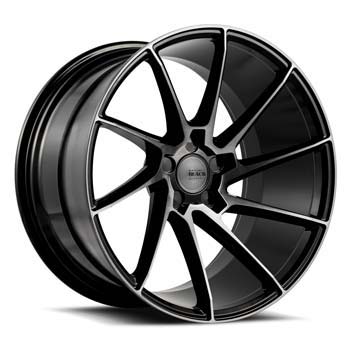
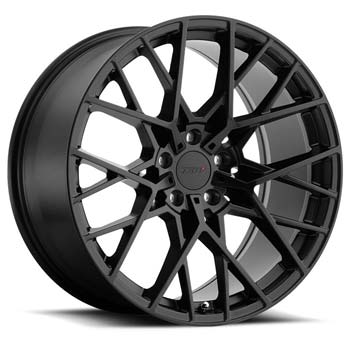
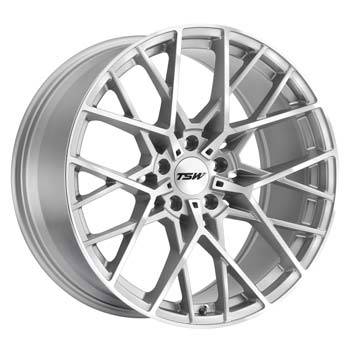
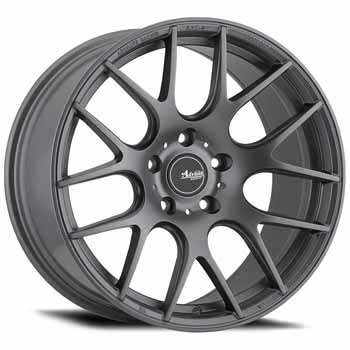
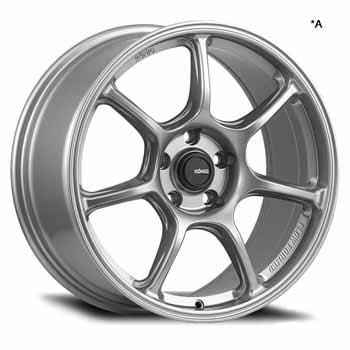
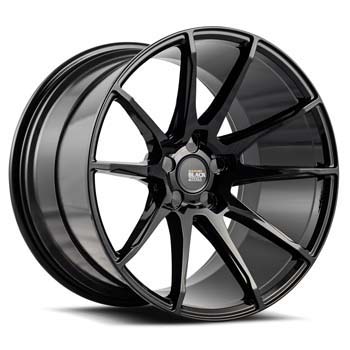
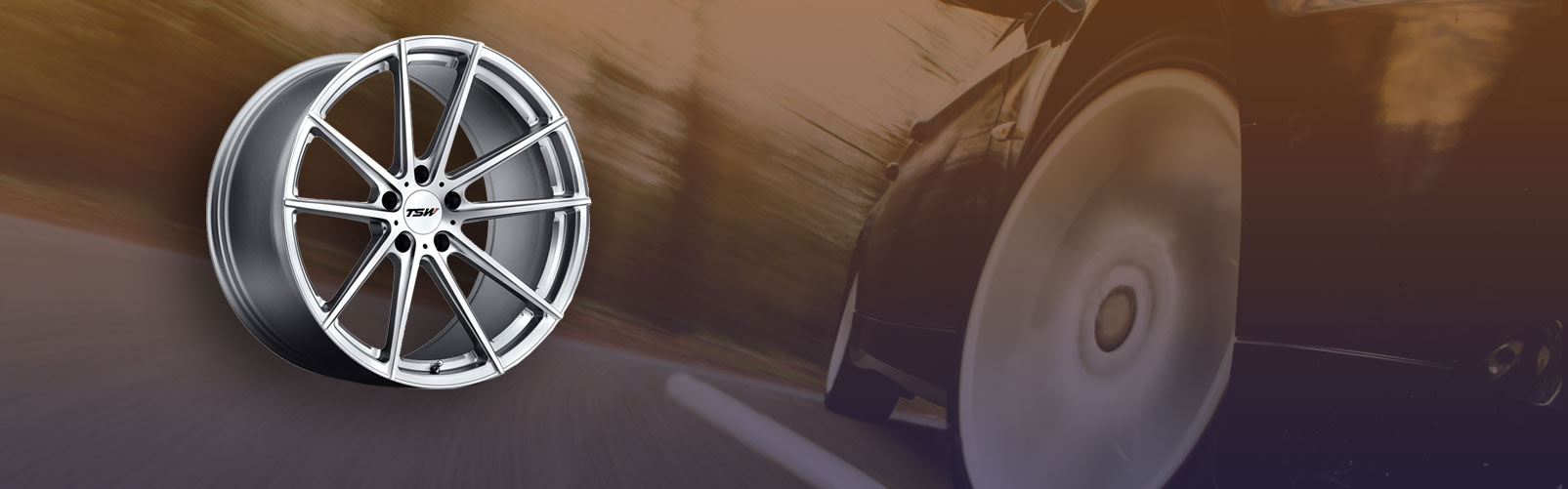
The best way to buy custom wheels and tires on line for your car, truck or SUV is to buy them as a package deal. Pick out a set of your favorite custom wheels and tires, then have Victoria Tire match them up perfectly. To encourage or persuade you to buy both custom wheels and tire from them, they give a discount when buying both the tires and custom rims together.

If you live in "small town USA" chances are you won’t have any custom wheel street stores. Most larger cities may have one or two custom wheel stores but they may only carry a couple of wheel brands. Shopping for custom wheels on the web is good judgment. On line merchants like Victoria Tire also make sure you don’t increase the weight of your wheel and tire combo by using plus sizing. This method improves handling capabilities by mounting tires that are wider and have a shorter sidewall on a larger diameter custom wheel.

Another advantage to wheels and tires packages is that on line merchants mount your tires and wheels scratch free plus hide the balancing weights. Victoria Tire offers free shipping with wheel and tire packages, so shop with them and get that great on line deal.

Monday, February 18, 2008

Cheap Custom Wheels

Looking for cheap custom wheels? Cheap custom wheels don’t have to be of poor quality. Cheap wheels can mean great looking custom wheels at a low price. Here’s how to find them!

Many of the custom wheel manufacturers change their line of custom wheels frequently. When they do they are often left with old stock. Many of these custom wheels are then sold to wheel warehouses. On line wheel warehouses are the place to buy cheap custom wheels. Visit wheel stores on line and shop around. You don’t have to settle for scratch and dent sales. You can find great looking custom wheels at a price you can afford.

It’s not that unusual to find custom wheels selling from about $75.00 to $150.00 each especially if you own a small import tuner car.

You can save hundreds of dollars just by taking some time to compare the discount car rim deals you can find online. Many online automotive merchants offer your wheels balanced and shipping all for free. Something to consider if you want the cool custom look without the expensive payments.

Saturday, February 16, 2008

Honda Ridgeline

Up until recent years Honda was absent in the truck world. They had spent most of their time developing some of the best cars in the world such as the Accord and Civic. But then Honda decided to jump into the water with a truck; they call it the Ridgeline. When the Honda Ridgeline was first made available some people were skeptical that it may not be able to meet industry standards. But that notion was soon tossed aside. The Honda Ridgeline has proven that it can compete in a crowded truck market.

The best thing about the Honda Ridgeline is its look. From the front it has an aggressive stance, and of course from the back you can see a large bed. Speaking of the bed, it allows you to haul anything that you may have in mind. This makes the Honda Ridgeline popular among people that are always on the go.

A lot of truck buyers are also considering the Honda Ridgeline because of the name alone. They know that Honda is synonymous with quality and reliability, so the Ridgeline is an obvious choice from the start.

Even though the Honda Ridgeline has only been around for a couple of years, it has already made its mark on the industry. The scary thing to remember is that this is Honda’s first go around in the truck class. As they begin to get a better feel as to what the consumer is looking for, it is safe to say that the Ridgeline will move to the front of the class

Thursday, February 14, 2008

How to choose tires

No tire does it all. You might get longer-wearing tread, for example, at the expense of grip. Generally, stick with the type of tire that came with your car. If switching to a different type, check your owner's manual. Make sure the new tires have the same or greater speed and load ratings as your original tires. Start with Types to determine the proper type of tire for your vehicle.

Safety first. Concentrate on handling, braking, and hydroplaning. Let ride, comfort, noise, tread wear, and rolling resistance be tiebreakers.

Be aware of tire warranties. The warranties offered with most tires are prorated. The more miles on the tire, the less credit you get on a replacement. And most don't cover damage resulting from potholes or other road hazards.

Shop around. Tire prices vary by region, retailer, or even the price of the raw materials used to produce them. Check independent and chain tire stores, online or mail-order stores. Find out whether the price of tires includes mounting and balancing.

Buy fresh. Look at the sidewall of a tire for a designation beginning with DOT, for Department of Transportation. The last four digits indicate the week and the year of manufacture. For example, 3306 means the tire was made during the thirty-third week of 2006. Don't purchase tires that are more than a few years old.

Winterize wisely. Mounting just two winter tires is asking for trouble. If you need winter tires, mount them on all four wheels to maintain balanced handling and secure grip. Switch back to summer tires after the cold season. True winter tires have a symbol with a mountain and snowflake on the sidewall. "Mud and snow" or "M&S" is not a designation of winter-tire performance.

Monday, February 11, 2008

Tire maintenance

Longer-lasting tires make safety checks more critical than ever. While yesterday’s tires typically wore out in 30,000 miles or less, many of today’s are warranted for two to three times that mileage. That means they may still have lots of tread even though heat, the environment, and potholes may have weakened them.

Underinflated tires can also get hot and weaken, increasing the chance of a blowout. A 10° F drop in outside temperature lowers pressure by about 1 pound per square inch. What’s more, all tires tend to leak over time. Pressure loss averaged 6 psi for 36 all-season models we checked after one year.

To help keep your tires safe:

- Check the air pressure each month when the tires are cold (before they’ve been driven more than a couple of miles). Be sure that they’re inflated to the air pressures listed on the placard on the doorjamb or inside the glove compartment or fuel-filler door.
- Look for cracks, cuts, or bulges in the sidewall or tread and replace tires that have them._
- Check for uneven tread wear, which typically denotes poor wheel alignment or worn suspension components, and have both checked by a shop. Also have your vehicle’s alignment and suspension checked before mounting new tires to prevent them from wearing prematurely.
- Stay within the vehicle’s weight capacity listed on the doorjamb placard. Overloading makes tires run hotter, increasing the chance of a failure._
It used to take a penny to check the tread depth of your tire. We're suggesting it should really take a quarter. It has long been the standard that tires are worn out when their tread depth reaches 1/16 inch (or 2/32 inch as found on standardized tread-depth gauges). The easiest way to measure this, if you didn't have a gauge, was to hold a penny upside down in the tread. If the top of Lincoln's head was visible, you needed new tires. But CR's tests show that using a penny is too stingy and that most consumers should consider replacing their tires when the tread reaches 1/8 inch. To get a handle on how much tread depth makes a difference, we tested two models of V-rated performance all-season tires, a kind widely available on new cars. We subjected sets with full tread, 1/8 inch, and 1/16 inch to our standard battery of tests. Tires were shaved to simulate a worn condition, although the effects of tires' aging could not be taken into account. Though performance on dry pavement actually improved a bit, the 1/8-inch tread was notably worse in hydroplaning resistance and in snow. By the time only 1/16 inch remained, wet-pavement cornering and braking had also dropped. This suggests that when your tires have less than 1/8 inch of tread left, it's a good time to start shopping for replacement tires. To gauge tread wear, place a quarter upside down in a tire groove. The distance from the coin's rim to George Washington's hairline is about 1/8 inch. If you see more of his head, consider replacing your tires.

Saturday, February 9, 2008

Tire Pressure Monitoring Systems (TPMS)

Tire pressure monitoring systems continuously monitor the pressure in the tires through sensors located in the tires (direct system) or the use of wheel speed and other vehicle sensors (indirect system). The information collected by the sensors is transmitted to an on-board processor that interprets the sensor signals and warns the driver when tire pressure is below the minimum acceptable level by illuminating a warning lamp.

The U.S. government, through the National Highway Traffic Safety Administration, requires that all passenger cars, light trucks and vans (Gross weight less than 10,000 pounds) be equipped with a TPMS starting in model year 2008. Due to a phase-in of the requirements, 20 percent of model year 2006 and 70 percent of model year 2007 vehicles are equipped with TPMS.

When the TPMS warning lamp on the instrument panel illuminates while driving, it means that the system has detected at least one tire with a pressure below the accepted minimum psi for the vehicle. The tires should be inspected and the tire pressure checked as soon as possible. The lamp will extinguish after the tires are properly inflated.

All TPMS installed on 2008 model year vehicles and beyond are required to detect and warn the driver when the system is not functioning properly (malfunction indicator). For some TPMS, a system malfunction is indicated by a flashing of the low tire pressure warning lamp for a period 60 to 90 seconds with the warning lamp remaining illuminated after the flash sequence. The flashing sequence followed by continuous illumination of the warning lamp will repeat at each subsequent vehicle start-up until the malfunction is corrected.


There are two different low tire pressure warning indicators allowed by the federal standard. One icon is the cross-section of a tire with an exclamation mark inside. The other is a top view of a car with all 4 tires exposed.

Wednesday, February 6, 2008

Should you repair damaged Custom Wheels?

Nothing looks hotter on a new car than over sized alloy wheels and low-profile tires, the look of a black rubber band around a sleek, highly polished aluminum rim.

Unfortunately, this combination has less protection from the pounding of potholes, road debris and occasional curbs.

Aluminum or alloy wheels are vulnerable and can carry a high cost to the unsuspecting car owner.

At the least, rubbing against a concrete curb can deliver a cosmetically devastating "curb rash" to a $1,000 alloy wheel. At the most, a pounding from a pothole can bend the rim or chink off a few inches of the rim lip. (The lip is the surface of the wheel that forms a seal with the tire bead, keeping it airtight. It's a piece of metal that guarantees the safety of the entire vehicle.)

Once your prized alloy wheel is damaged, your choices are limited: Replace the wheel with an identical design, pick up one that doesn't match, buy a new set of wheels or repair the damaged wheel.

In some cases, particularly on a car that is more than a couple of years old, it is difficult to find an identical alloy wheel, particularly one that was an option or an aftermarket purchase. Many vendors offer alloys on the Internet.

Buying a wheel that doesn't match is about as downscale as you can get. Conversely, buying four new alloys will set you back hundreds or thousands of dollars, making downscale seem an attractive alternative. If you're lucky, you have a full-size spare with an identical alloy wheel that you can use.

Plenty of companies have popped up to repair alloy wheels, saying that they take almost any banged-up aluminum rim and return it to an acceptable condition. Some experts are not convinced it's a good idea, however.

Monday, February 4, 2008

SUV Rims

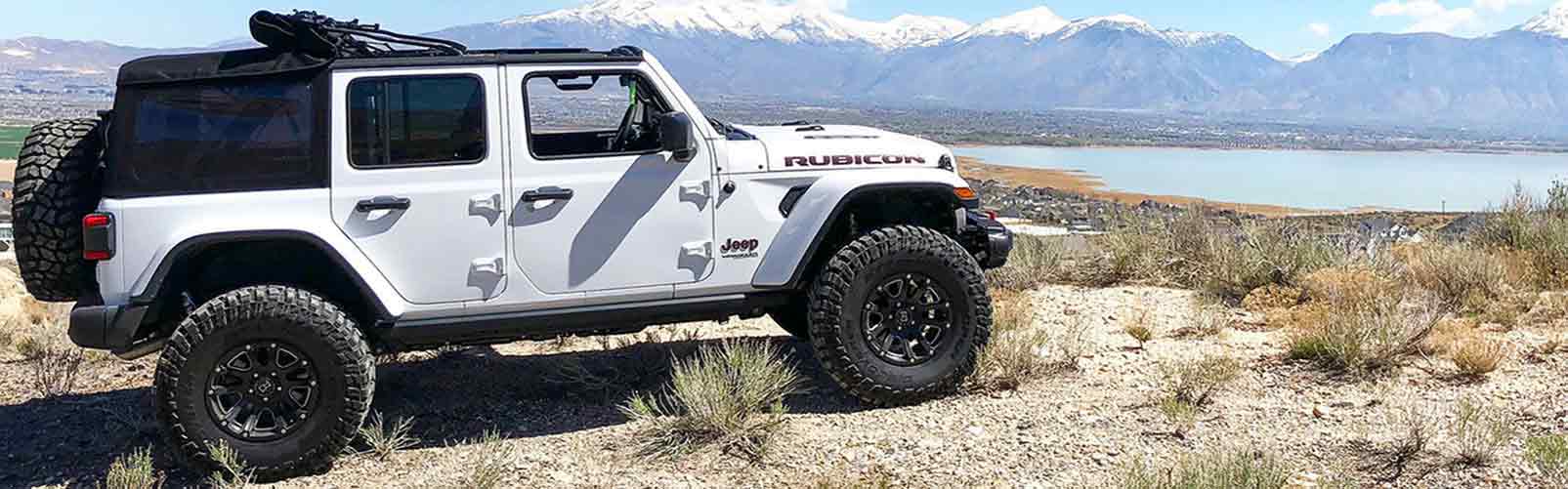
People who own SUVs can choose to communicate themselves with their rims and tires. They can install a set of loud, flashy tires that demand the attention of the people who watch them cruise by, or they can put on a set of conservative, classy rims that demand the respect of others. SUV owners who have installed a set of stylish wheels know that their rims are far more than a metal disk that supports tires. Do you?

If you are thinking about installing a set of rims on your SUV, the first thing you need to do is decide on a budget. Since wheels can be very pricey indeed it is a good idea to set a limit on your spending from the get go. Setting a price range will also limit the amount of choices available to you, which, counter intuitively, is a good thing, since the vast choices available in rims can be very daunting. And, it will keep you from feeling too guilty for having splurged on too expensive wheels.

After you have set your budget, you can start thinking about which type of metal you want. SUV wheels come in various metals, like chrome, aluminum, or stainless steel. Choosing a metal is very important because it will determine how much care you will need to dedicate to your wheels. The three metals listed above are low-maintenance. Of course, the determining factor in choosing metal should be your personal taste.

After metal, it's time for the best part, choosing which style you want. Style in wheels is a very personal thing. One person cannot tell another which one is best for them, so it will all be up to you. So, think about whether you want the tough looking thick spoked rims that will make your SUV look strong and imposing or a finer looking, refined look that will make your SUV distinctly classy. The good thing is that SUVs can take all manner of wheels and ride with them, so there are few limits to your personal style.

To start searching for the SUV rims of your dreams start searching on the internet. Besides loads of information regarding SUV wheels, you will find images of all kinds of rims and wheels which are designed specifically for the SUVs made today.